

Nothing to Hide
An Essay by Dr. Stephannie Moore
I have started and restarted this essay so many times. Language generally flows into my keyboard somewhat effortlessly, but this experience has been different. Writing about my health is like trying to untangle a very messy ball of yarn. It brings up tremendous self-doubt about how to present myself that I just can’t find the right angle. Where is the beginning of this story? How much do I want to expose? How can I share openly without the worry that my friends and colleagues will perceive me as weak, less competent, less reliable or less capable when they hear what I struggle with day-to-day? My mind keeps telling me things like:
Be positive.
Be inspiring.
Hide what is hard.
Talk about the silver lining.
And while I am typically a cheerful and “bright side” kind of person, it feels totally inauthentic for me to talk about my journey as though it has been a blessing. I have no pat advice for anyone on a similar journey. I have my own unique coping strategies, but they help inconsistently. Of course, I’ve learned things along the way, but I’d be lying if I didn’t say that I carry a tremendous amount of grief for the years I have lived with unpredictable health. There have been countless performing opportunities I have shied away from and I’ll never know if I might have had a more significant performance career if my primary life obstacle wasn’t living with chronic illness.
My complicated health issues started at birth. As a child, I experienced frequent bouts of chronic fatigue and malaise. My mother says that doctors told her that I was born with an “underdeveloped immune system.” I’ve never been sure of exactly what was meant by that, but my childhood was spent on constant rounds of antibiotics, way before doctors realized that so many antibiotics could contribute to immune system weakness. I had frequent absences from school and my mom had what seemed like a direct line to my pediatricians. She would call and say, “Stephannie is run down again, can you please prescribe something for her?” and there I’d go onto another round of antibiotics. Even though my mother had the best intentions, I feel like this set me up to view myself as sickly and I doubted that I could ever be “normal.” Working against this view of myself has been a lifelong process. I don’t want to bear the identity of a disabled person. I don’t want to feel fragile, like I’m stuck in a body that betrays me and has sabotaged so many of my goals.
It wasn’t until a minor car crash in my early 20s that my health mystery began to include pain. It started with nagging, recurring spasms in my neck and back and it was as though those muscles contracted from the car incident and then decided to never let go. The pain has always moved around, without any discernable rhyme, reason, or trigger. Sometimes the tightness recedes a bit and other times it recruits a whole cascade of spasms throughout my cervical and thoracic regions. Even after years of massage, chiropractic, physical therapy, trauma-focused psychotherapy, Chinese and Tibetan medicine, visits with rheumatologists, neurologists and all sorts of unconventional healing modalities, no one has really been able to unlock my body in a consistent way. More than one practitioner has said to me “I don’t know how you function with muscles that are so stiff and locked. How do you hold up your head? Your neck muscles are like steel beams.”
Shortly after that car accident, I made the choice to stop pursuing a performance career. The unpredictability of how I would feel day-to-day made a performer’s lifestyle seem totally unfeasible and when the spasms are in my neck, singing can be incredibly painful. If my intercostal muscles are squeezing my ribcage, it’s impossible to take a low breath.
For nearly 18 years, I did not perform. I was a very active voice teacher with a thriving studio, but the worry about how physically functional I would be in any given moment prevented me from seeing myself as a performer any longer. Growing up, I seemed destined to be a performing artist. I was a musical theatre kid and pianist from age three. I played numerous other instruments in wind ensembles, jazz bands and orchestras so giving up on myself as a performer felt like a sudden and painful loss of identity.
The early years of pain management were confusing. Each flair would trigger tremendous anxiety and a recurrent rumination of “What if this never goes away?” It was isolating to be so alone living with completely invisible illness that no doctor could understand. I don’t present as a “sick” person and I’m an extrovert by nature, so I have always hidden my discomfort well. I think that for many of us with invisible, mysterious illness, there is a nagging concern that others won’t believe us. When I’m not feeling well, my brain plays tricks on me and can sometimes get caught up in a cycle of self-blame. I still have days where I say to my husband, “I’m not making this up!” and his response is always, “No one thinks you are making this up except for you.”
What has always complicated things for me is the chicken/egg relationship between what is physical versus what is stress-based and emotional. These are two sides of the same coin for me. My 20s and 30s were tumultuous emotionally – content for another article - and now in my 50s, there are added variables of aging and menopause. I recognize that much of my pain is neuroplastic, meaning that there is not an obvious physical cause but instead, my brain gets stuck in high alert and sends signals of danger and threat in the form of muscular discomfort. The car accident, while minor, came at a time when I was managing a tremendous amount of personal stress and it was as though my amygdala took that opportunity to somatize my fear and get stuck in a pattern of hypervigilance, always looking for threat. Now, my X-rays show herniations on nearly every one of my cervical and thoracic vertebrae, so more recently there are physical issues to point to, but the relationship between the physical and emotional has always been a tangled one for me.
Years of serious meditation has afforded me a different relationship to pain. Training the mind and recognizing that bodily discomfort is not an indication of my true nature has been helpful in curbing tendencies to feel like a victim. Physical and emotional experience can become enmeshed and that is where despondence and self-pity can easily take root. Even after 30 years, I must remain vigilant about watching how my mind observes pain and not indulge tendencies to overidentify with physical sensation. I am not my body. There have been several programs that have provided me with fantastic tools to retrain pain signals. The first was the Dynamic Neural Retraining System (RetrainingTheBrain.com), which was my gateway to understanding the intricacies of neuroplastic pain. I also took a twelve-week facilitated group class through CurableHealth.com, which included education and practical skills for redirecting discomfort messages from the brain. Hypnosis apps like Relio also help to calm my neuro system and EMDR (Eye Movement Desensitization and Reprocessing) has helped me to untangle a lot of the messy emotional yarn.
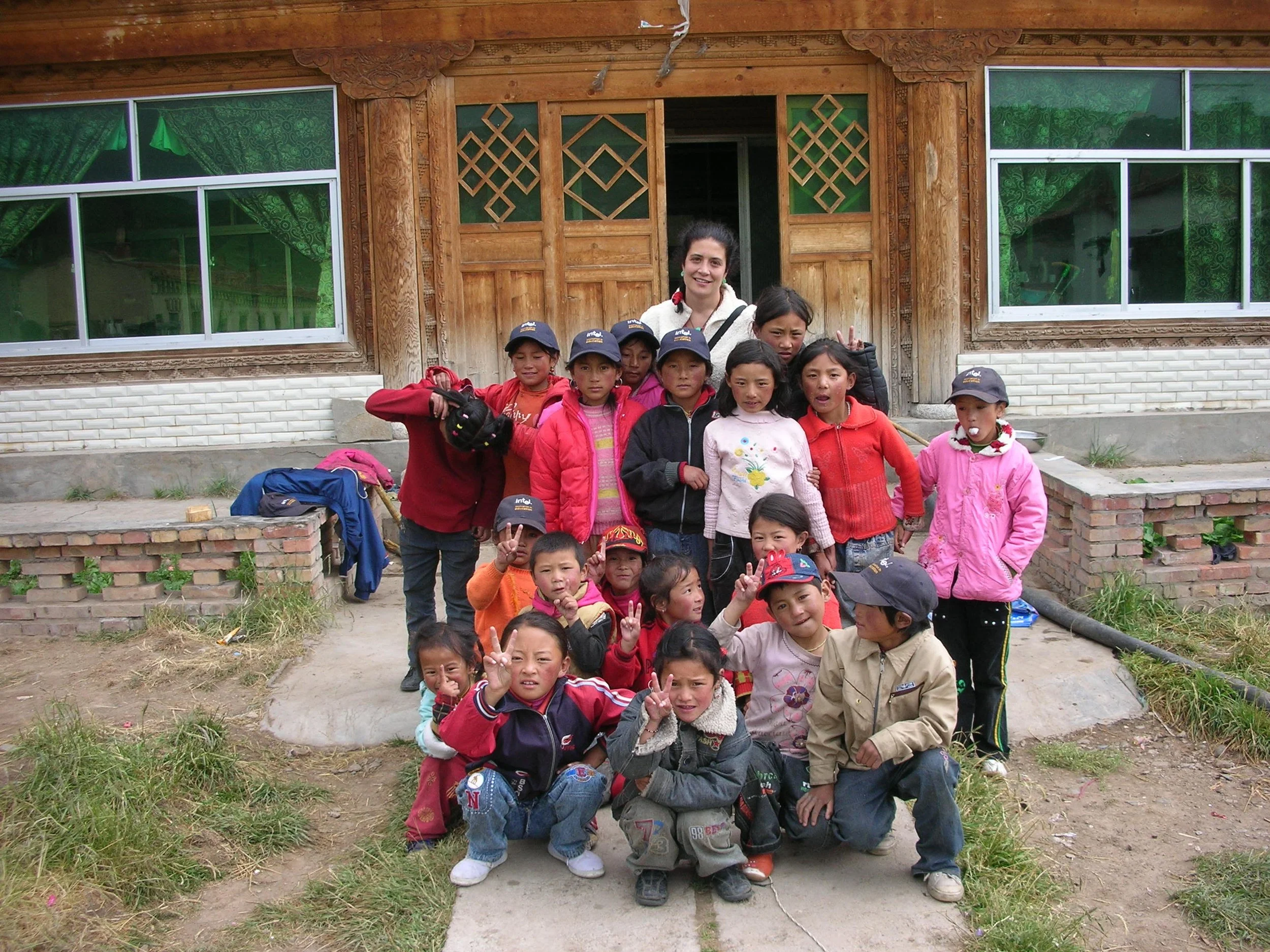
Despite what I said earlier, there is a bit of a silver lining here. The silver lining is that I was forced to find myself in other venues and interests, using my creativity in settings I might otherwise have never explored. During those 15 years without performing, I became deeply committed to meditation and the Buddhist tradition. I lived throughout China, Tibet, India and Nepal as a solo traveler in foreign lands, not something that most chronically ill people would willingly choose to do. I was instrumental in the creation of a school and orphanage for Tibetan girls, a medical and educational center for Indian slum children, and I helped to run a school in a remote Indian jungle – a jungle that can only be reached by traveling two days up mountain paths on foot. I trained to become a translator of Tibetan language and brought Buddhist scriptures to the west that had never been translated into English. I did all of this despite often-debilitating pain and fatigue. Sometimes I have to remind myself that I have lived more fully than many able-bodied people.
And I did go back to performing in 2014. Once I’d returned from Asia, I realized I had unfinished business with that part of my history, and it was time to take close look at the strictures I had placed upon myself and reclaim my identity as a performing artist. I went back to school, while teaching and parenting, and completed an MM at the University of Michigan and then a DMA at the University of Miami. These were monumental accomplishments and helped heal the wounds around performance I had carried for so long. Each day of graduate school was a negotiation – balancing workload and singing load in a body that was completely unpredictable. Would my neck be stiff and painful? Would I be able to take breath into my ribcage? Would fatigue and brain fog make it too hard to concentrate? Would I have to skip class, cancel everything and do what I call “cocooning’ – quieting my mind and nervous system resting in bed?
This year marks the three-decade anniversary of my relationship with chronic pain. Thirty intense years. More years of my life have been spent in pain than out of pain. More years of fear around my body’s ability to function than years of my body feeling comfortable enough that I didn’t notice it all the time. Sometimes, I still can’t believe what I have accomplished despite illness. Each success is a reminder that I’m more than my limitations. Each success contributes to healing the performer in me who felt abandoned, neglected and hidden. I’m resilient. I’m powerful. I contribute great things to my community. I continue to evolve and quite literally feel new iterations of identity emerging all the time. And I’m much better at managing the anxiety about discomfort. With pain as a constant companion, you must be able to co-exist with it and not lash out at it with anger and frustration because that only exacerbates its presence and makes you feel hopeless.
It’s possible that the best thing to come from this journey is that I have profound empathy for others who manage any kind of illness – physical or emotional – and I feel that this empathy makes me a better teacher. I meet people where they are. I’m a great listener and a great cheerleader and I feel that this same empathic sensitivity allows me to sense the needs and obstacles in a singer’s voice and help guide them to better singing, more confidence and greater personal insight.
Will I finish this essay by saying that I’m grateful for illness because of what it has taught me? No. I cannot sugar coat this in any way. I would never wish such challenges on anyone. Am I a better human being because of my experience? Maybe. I hope so.
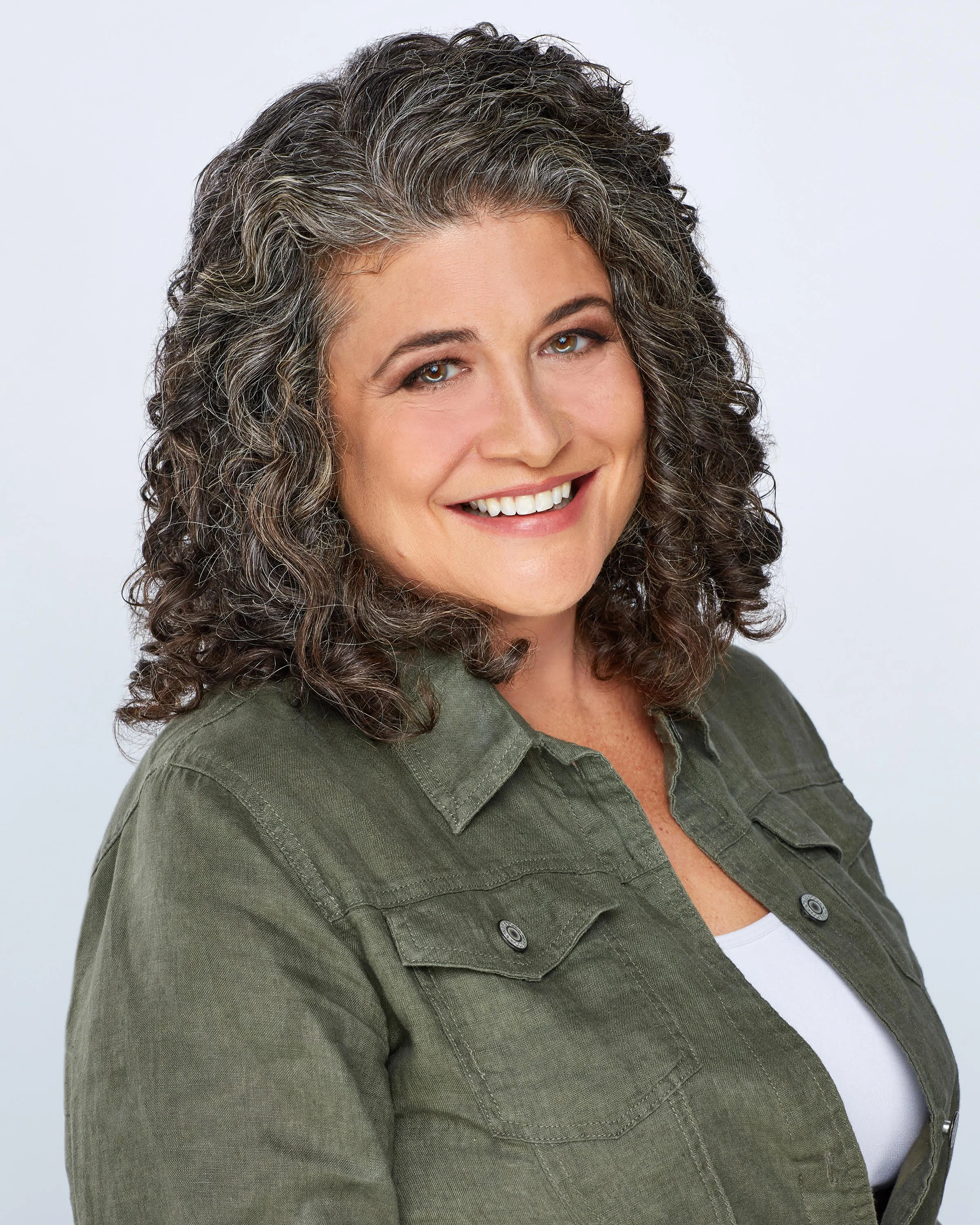
Stephannie Moore, MM, DMA
Dr. Moore is a voice and audition coach with students performing on stages across the US, UK, Europe, Africa and Asia. Her teaching career spans nearly three decades, specializing in musical theatre and classical voice for professional and pre-professional singers. Dr. Moore is on faculty at Lynn University within the Department of Drama and has taught in both musical theatre and classical voice programs at Florida International University and the University of Miami. Her research and publications focus on strategies to prevent voice injuries in musical theatre performers and she has presented on topics including crossover singing styles, contemporary voice techniques for classical singers, vocal hygiene for the musical theatre artist and mindfulness strategies for performance anxiety. Dr. Moore is a recognized vocologist (PAVA-RV) and works closely with clinicians from the University of Miami to help vocalists return to singing after medical intervention for voice injuries and pathologies.
